
-
-
Save osyu/c3390a4c1c32aaef0ea6d59c2fcb4ea0 to your computer and use it in GitHub Desktop.
| import argparse | |
| import shutil | |
| import wave | |
| DESCRIPTION = """Encode and decode RE Engine .asrc audio files. | |
| Now with more confusion! For version 31 (AJ:AA Trilogy) only.""" | |
| SRCH_INFO = """srch (stub) | |
| id: %d""" | |
| SRCD_INFO = """srcd (data) | |
| id: %d | |
| unk0: %d | |
| unk1: %d | |
| urate: %d | |
| soff: %s | |
| strm: %s | |
| loop: %s | |
| lps: %d | |
| lpe: %d | |
| mark: %s | |
| channels: %d | |
| samples: %d | |
| rate: %d | |
| depth: %d""" | |
| read_u32 = lambda f: int.from_bytes(f.read(4), 'little') | |
| write_u32 = lambda f, x: f.write(x.to_bytes(4, 'little')) | |
| def format_marker_list(ml): | |
| if ml is None: | |
| return | |
| for i, m in enumerate(ml): | |
| if m[0] == 0xffffffff: | |
| ml[i] = (m[1],) | |
| return ','.join(':'.join(str(y) for y in x) for x in ml) | |
| def parse_marker_list(ms): | |
| ml = [] | |
| if ms is not None: | |
| for m in ms.split(','): | |
| try: | |
| mfields = tuple(int(x) for x in m.split(':', 2)) | |
| except ValueError as e: | |
| raise ValueError("invalid marker list") from e | |
| if len(mfields) == 1: | |
| mfields = (0xffffffff, mfields[0]) | |
| ml.append(mfields) | |
| return ml | |
| def encode(args, pre=False): | |
| with wave.open(args.file) as w: | |
| params = w.getparams() | |
| data_offset = args.file.tell() | |
| args.file.seek(0, 2) | |
| file_size = args.file.tell() | |
| args.file.seek(0) | |
| if pre and args.cpb: | |
| loop = args.loop | |
| else: | |
| loop = not all(x is None for x in (args.lps, args.lpe)) | |
| if args.lps is None: | |
| args.lps = 0 | |
| if args.lpe is None: | |
| args.lpe = params.nframes - 1 | |
| if pre: | |
| mark = args.mark or [] | |
| else: | |
| mark = parse_marker_list(args.mark) | |
| with open(args.out, 'wb') as of: | |
| of.write(b'srcd') | |
| write_u32(of, 0) # always 0 | |
| write_u32(of, file_size) | |
| of.write(b'wav ') | |
| write_u32(of, args.strm) | |
| write_u32(of, args.id) | |
| write_u32(of, args.unk0) | |
| write_u32(of, params.nchannels) | |
| write_u32(of, params.nframes * params.nchannels + args.soff) | |
| write_u32(of, args.urate) | |
| write_u32(of, params.framerate) | |
| write_u32(of, params.sampwidth * 8) | |
| write_u32(of, 1) # always 1 | |
| of.write(bytes((loop,))) | |
| write_u32(of, args.lps) | |
| write_u32(of, args.lpe) | |
| write_u32(of, len(mark)) | |
| for m in mark: | |
| write_u32(of, m[0]) | |
| write_u32(of, m[1]) | |
| of.write(b'\0' * 9) # always 0 | |
| write_u32(of, args.unk1) | |
| write_u32(of, of.tell() + 8) | |
| write_u32(of, data_offset) | |
| shutil.copyfileobj(args.file, of) | |
| args.file.close() | |
| def replace(args): | |
| mi = lambda: None | |
| mi.file = args.base | |
| mi = info(mi, prnt=False) | |
| args.base.close() | |
| with wave.open(args.file) as w: | |
| params = w.getparams() | |
| args.file.seek(0) | |
| if not args.cpb and bool(args.mark) != bool(mi.mark): | |
| raise ValueError("markers %srequired for this file" % | |
| ("not " if mi.mark is None else "")) | |
| for a in dir(mi): | |
| if not a.startswith('__'): | |
| if a in args and not args.cpb: | |
| continue | |
| setattr(args, a, getattr(mi, a)) | |
| encode(args, pre=True) | |
| def decode(args): | |
| # calling info will validate and seek to end of header | |
| info(args, prnt=False) | |
| with open(args.out, 'wb') as of: | |
| shutil.copyfileobj(args.file, of) | |
| args.file.close() | |
| def info(args, prnt=True): | |
| f = args.file | |
| magic = f.read(4) | |
| if magic == b'srch': | |
| assert read_u32(f) == 8 # always 8 | |
| sid = read_u32(f) | |
| assert read_u32(f) == 1 # always 1 | |
| if prnt: | |
| print(SRCH_INFO % sid) | |
| else: | |
| raise ValueError("srch files contain no audio data") | |
| return | |
| elif magic != b'srcd': | |
| raise ValueError("not a valid asrc file") | |
| # mock object to pass to other funcs | |
| mi = lambda: None | |
| assert read_u32(f) == 0 # always 0 | |
| file_size = read_u32(f) | |
| assert f.read(4) == b'wav ' | |
| mi.strm = read_u32(f) | |
| assert mi.strm <= 1 | |
| mi.strm = bool(mi.strm) | |
| mi.id = read_u32(f) | |
| mi.unk0 = read_u32(f) | |
| mi.channels = read_u32(f) | |
| mi.samples = read_u32(f) | |
| mi.urate = read_u32(f) | |
| mi.rate = read_u32(f) | |
| mi.depth = read_u32(f) | |
| assert read_u32(f) == 1 # always 1 | |
| mi.loop = ord(f.read(1)) | |
| assert mi.loop <= 1 | |
| mi.loop = bool(mi.loop) | |
| mi.lps = read_u32(f) | |
| mi.lpe = read_u32(f) | |
| mark_count = read_u32(f) | |
| if mark_count > 0: | |
| mi.mark = [] | |
| for _ in range(mark_count): | |
| mi.mark.append((read_u32(f), read_u32(f))) | |
| else: | |
| mi.mark = None | |
| assert f.read(9) == b'\0' * 9 # always 0 | |
| mi.unk1 = read_u32(f) | |
| header_size = read_u32(f) | |
| data_offset = read_u32(f) | |
| assert header_size == f.tell() | |
| f.seek(0, 2) | |
| assert file_size == f.tell() - header_size | |
| f.seek(header_size) | |
| with wave.open(f) as w: | |
| params = w.getparams() | |
| assert data_offset == f.tell() - header_size | |
| f.seek(header_size) | |
| mi.soff = mi.samples % mi.channels != 0 | |
| if mi.soff: | |
| mi.samples -= 1 | |
| assert mi.channels == params.nchannels | |
| assert mi.samples == params.nframes * params.nchannels | |
| assert mi.rate == params.framerate | |
| assert mi.depth == params.sampwidth * 8 | |
| if prnt: | |
| mi.mark = format_marker_list(mi.mark) | |
| print(SRCD_INFO % (mi.id, mi.unk0, mi.unk1, mi.urate, | |
| mi.soff, mi.strm, mi.loop, mi.lps, mi.lpe, mi.mark, | |
| mi.channels, mi.samples, mi.rate, mi.depth)) | |
| f.close() | |
| return mi | |
| if __name__ == '__main__': | |
| parser = argparse.ArgumentParser(description=DESCRIPTION, | |
| formatter_class=argparse.RawTextHelpFormatter) | |
| subparsers = parser.add_subparsers(dest='command', | |
| help="command (encode/replace/decode/info)") | |
| enc_parser = subparsers.add_parser('e') | |
| enc_parser.add_argument('-soff', action='store_true', | |
| help="offset sample count by one") | |
| enc_parser.add_argument('-strm', action='store_true', | |
| help="mark audio as streaming") | |
| enc_parser.add_argument('-lps', type=int, metavar='POS', | |
| help="loop start sample position") | |
| enc_parser.add_argument('-lpe', type=int, metavar='POS', | |
| help="loop end sample position") | |
| enc_parser.add_argument('-mark', type=str, metavar='LIST', | |
| help="comma-separated list of markers") | |
| enc_parser.add_argument('id', type=int, | |
| help="audio source id (check existing file using i command)") | |
| enc_parser.add_argument('unk0', type=int, | |
| help="unknown int (check existing file)") | |
| enc_parser.add_argument('unk1', type=int, | |
| help="unknown int (check existing file)") | |
| enc_parser.add_argument('urate', type=int, | |
| help="unknown sample rate (check existing file)") | |
| enc_parser.add_argument('file', type=argparse.FileType('rb'), | |
| help="path to input file") | |
| enc_parser.add_argument('out', type=str, | |
| help="path to output file") | |
| rep_parser = subparsers.add_parser('r') | |
| rep_parser.add_argument('-lps', type=int, metavar='POS', | |
| help="loop start sample position") | |
| rep_parser.add_argument('-lpe', type=int, metavar='POS', | |
| help="loop end sample position") | |
| rep_parser.add_argument('-mark', type=str, metavar='LIST', | |
| help="comma-separated list of markers") | |
| rep_parser.add_argument('-cpb', action='store_true', | |
| help="copy loop and markers from base") | |
| rep_parser.add_argument('file', type=argparse.FileType('rb'), | |
| help="path to input file") | |
| rep_parser.add_argument('base', type=argparse.FileType('rb'), | |
| help="path to base file") | |
| rep_parser.add_argument('out', type=str, | |
| help="path to output file") | |
| dec_parser = subparsers.add_parser('d') | |
| dec_parser.add_argument('file', type=argparse.FileType('rb'), | |
| help="path to input file") | |
| dec_parser.add_argument('out', type=str, | |
| help="path to output file") | |
| inf_parser = subparsers.add_parser('i') | |
| inf_parser.add_argument('file', type=argparse.FileType('rb'), | |
| help="path to input file") | |
| mappings = {'e': encode, 'r': replace, 'd': decode, 'i': info} | |
| args = parser.parse_args() | |
| if args.command in mappings: | |
| mappings[args.command](args) | |
| else: | |
| parser.print_help() |


Assuming you're on Windows:
- Install Python
- Shift+right-click on the .py file and select "Copy as path" to copy the file's full path
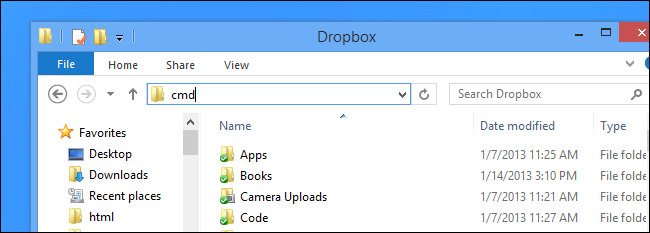
- Navigate to the folder with the file you want to decode, type
cmdinto the address bar to open a command prompt there - Paste the path you copied earlier, add
d <filename>to it (e.g."C:\Users\whatever\Downloads\asrc31.py" d bgm_063.asrc.31) and hit enter

Thank you for providing this amazing script, the only problem about this script is the information of loop points in asrc31 aren't correct including samples
https://cdn.discordapp.com/attachments/1232318120769618039/1232318177879527544/Capture.PNG?ex=6629053c&is=6627b3bc&hm=a0172fb8781979d01dbb4225da1968fb4129f987e8c83bd823b2af0074544fee&

Could you attach the image to your comment, the link you posted is dead
Nevermind, the loop points are correct. I was using latest version of audio editing software called "Audacity" and it gives me wrong samples count so I had to use a certain old version instead and it worked perfectly, sorry about that
Could you attach the image to your comment, the link you posted is dead

Hello! I am using the files from the Nintendo Switch version of this trilogy, which seems to use Ogg files instead of wav files, I have been able to manually get the audio out but is there any way to do this with this script?
@niltwill made a version for Switch here: https://github.com/niltwill/capcom-mods/blob/main/scripts/asrc31-nsw.py

Traceback (most recent call last):
  File "C:\Users\romas\Desktop\ajt scripts\asrc decoder encoder\main.py", line 309, in <module>
    mappings[args.command](args)
  File "C:\Users\romas\Desktop\ajt scripts\asrc decoder encoder\main.py", line 150, in decode
    info(args, prnt=False)
  File "C:\Users\romas\Desktop\ajt scripts\asrc decoder encoder\main.py", line 170, in info
    raise ValueError("srch files contain no audio data")
ValueError: srch files contain no audio data
occurs when trying to open asrc from AJT
.asrc files in natives/stm/sound only contain an id; the corresponding files in natives/stm/streaming/sound have the audio data
Hello. I'm not good with .py files, could you explain how to use this to decode files?